Powering for Abundant Plots
Powering for Abundant Plots
Blog Article
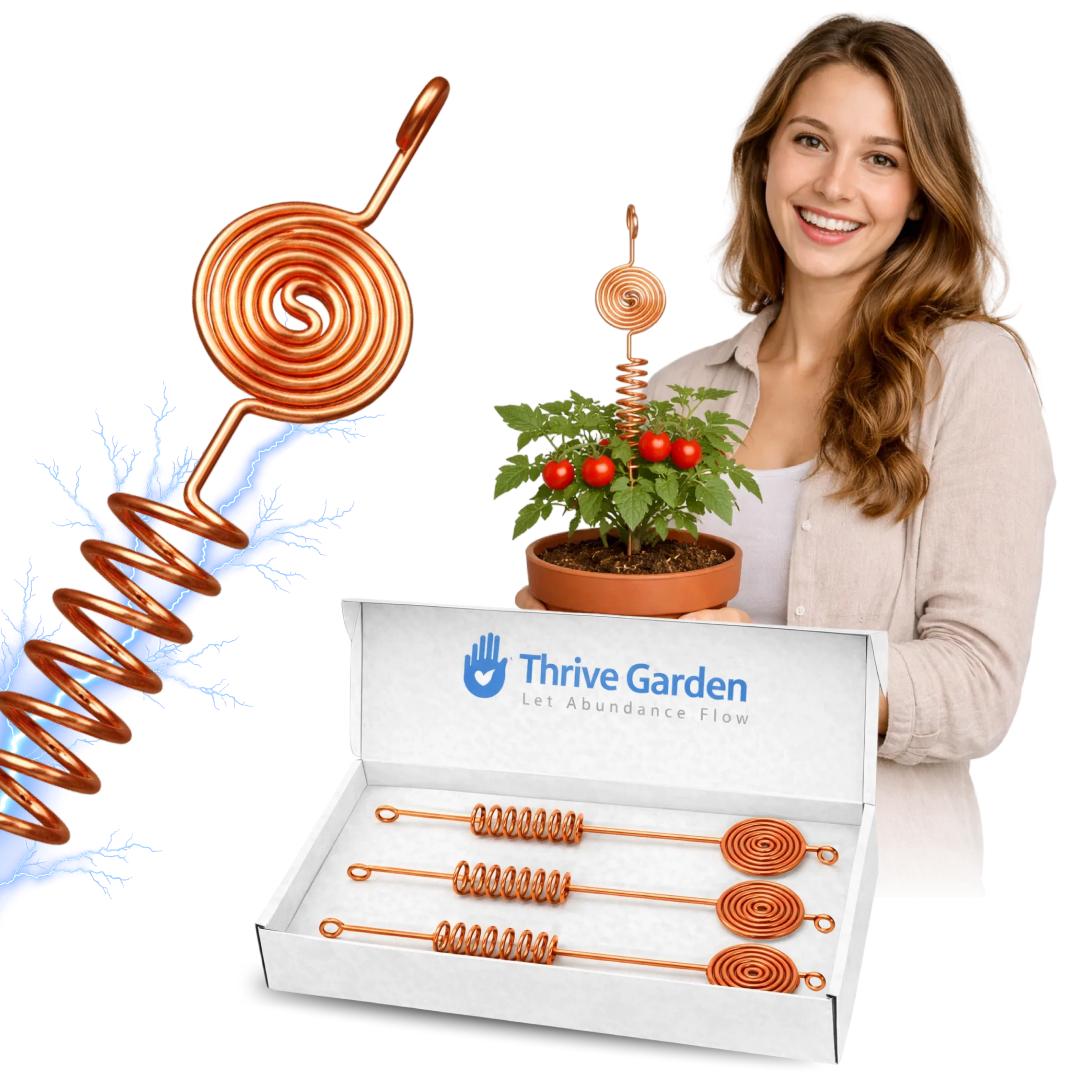
Electroculture, the unusual method , proposes that vegetation can flourish when given to low-voltage electrical charges. Some electroculture contend that this slight jolt enhances nutrient absorption , resulting to accelerated growth and conceivably more yields . While mainstream evidence is scarce , dedicated experimenters share remarkable gains in their personal gardens , inspiring further exploration of this unconventional approach to agriculture and sustenance cultivation.
An Introductory Guide to Electrical Gardening
Curious to learn a innovative gardening technique ? Electroculture gardening involves harnessing electric energies to improve plant yield. It's sounds complex , but the basic principles are surprisingly easy to grasp . Typically, it includes creating the grid of metal wire over your plants , sometimes connected to a gentle energy source. While definitive proof exists limited, many enthusiasts claim significant increases in plant health and productivity . Let’s briefly cover the fundamentals in following sections.
Is Electroculture Truly Function? Distinguishing Fact and Fantasy
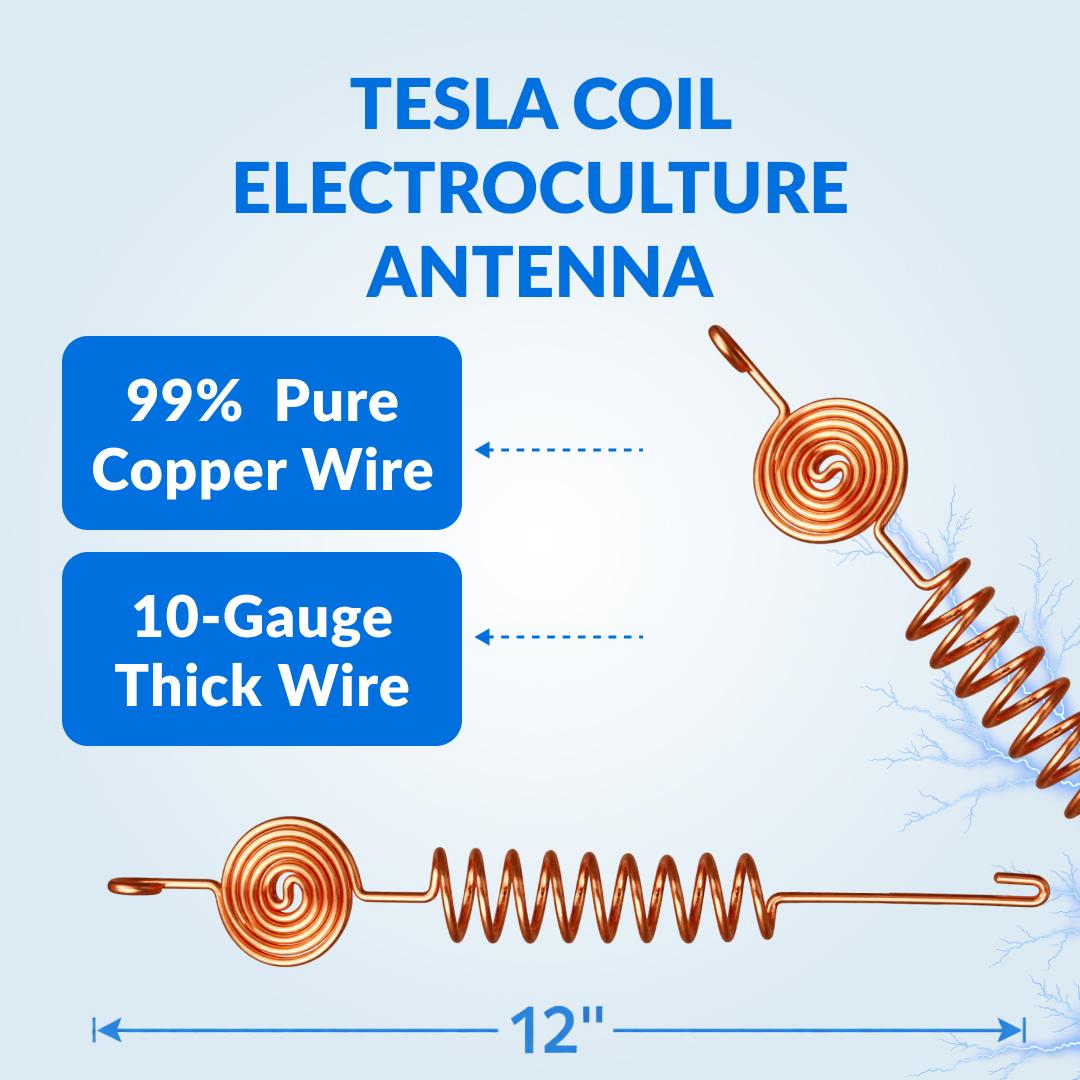
Electroculture, an approach utilizing minimal current to stimulate crop development, ignited widespread attention online. However, it's vital to thoroughly evaluate the assertions and distinguish valid observations from unsubstantiated promotion. While several initial experiments appear to demonstrate improved yields, the empirical foundation persists largely obscure. Several allegedly successes might be attributed to other factors, such as the ground, water management, or simple coincidence. More rigorous investigation and peer-reviewed confirmation are needed to confirm if electroculture represents reliable check here farming method .
Creating Your Own Bioelectrical Garden: A Practical Guide
Embarking towards the unusual world of electroculture can seem daunting, but creating your personal electroculture garden is surprisingly manageable with a certain basic steps. First, obtain your materials: a container , copper cabling , zinc plate , water, and a power source – a small battery or self-made cell can suffice. Next , place the copper and zinc surrounding the water inside the container, ensuring they don't touch. The electrical field produced between these metals is considered to stimulate plant development . Finally, observe your plants and adjust the system as required – electroculture is as much dealing with experimentation as it is about following instructions .
Bio-Electrical Farming vs. Conventional Horticulture : What's This Difference ?
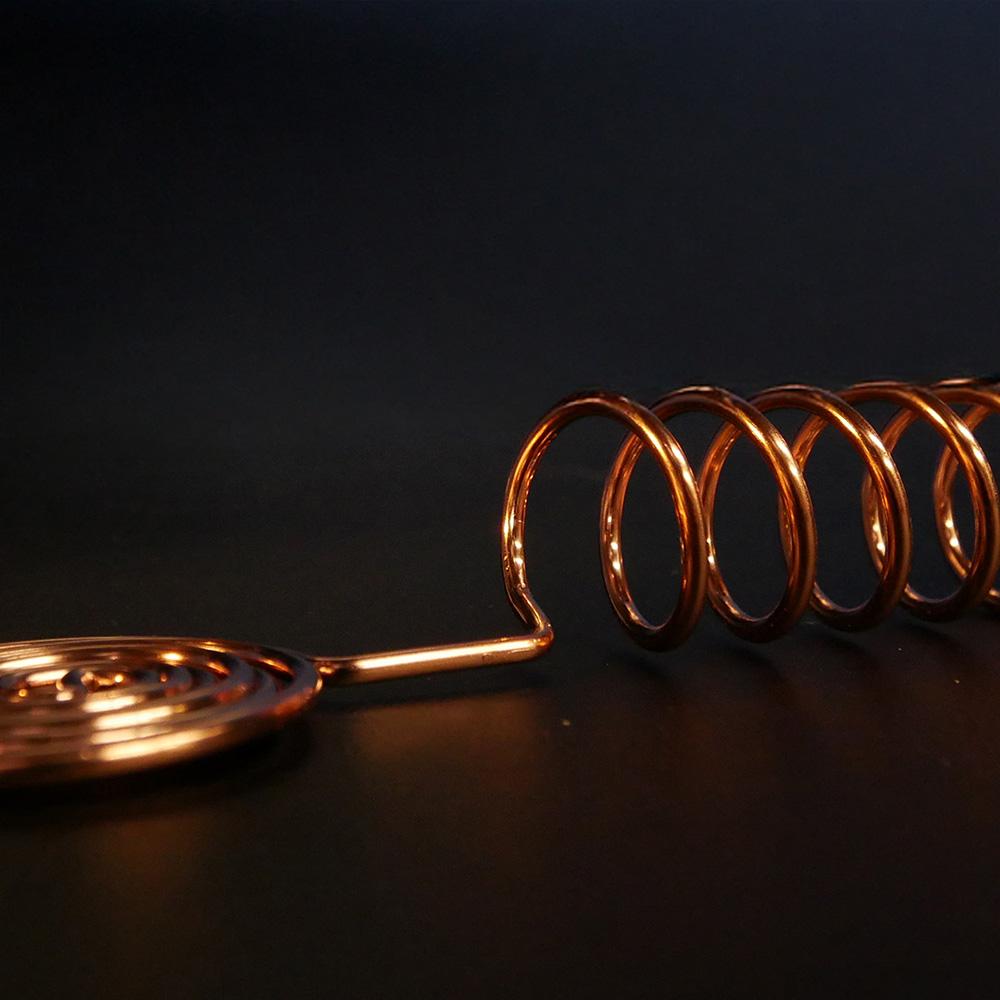
Many cultivators are considering bio-electrical farming as an option to conventional gardening . While both seek to cultivate vibrant plants , they utilize drastically different strategies. Traditional gardening relies on soil elements, sunlight , and water , often with extra fertilizers . In contrast , electroculture utilizes a low electrical to activate crop development , possibly minimizing the dependence on ground and traditional fertilizers . Ultimately , bio-electrical farming represents a quite emerging field in farming with distinct opportunities.
Boosting Plant Growth with Electroculture: Potential & Practicalities
Electroculture, a controversial method proposing plant flourishing through electrical charges, has generated considerable curiosity amongst cultivators . Historical accounts asserted significant increases in production and general plant health . While the precise mechanism is uncertain , some explanations point to enhanced water uptake and nutrient distribution within the earth . Practical uses can range from basic DIY setups employing copper and zinc conductors to more sophisticated setups . However, it’s crucial to approach electroculture with consideration, acknowledging the restricted peer-reviewed scientific evidence and potential dangers associated with incorrect implementation. Further research is necessary to completely grasp the possibility and restrictions of this intriguing technique to cultivation.
- Potential benefits include increased yield and improved plant health.
- Consider the need for further research and scientific validation.
- Practical applications range from simple DIY systems to complex configurations.